Transporting Guests Through Time
HOUSE OF HISTORY
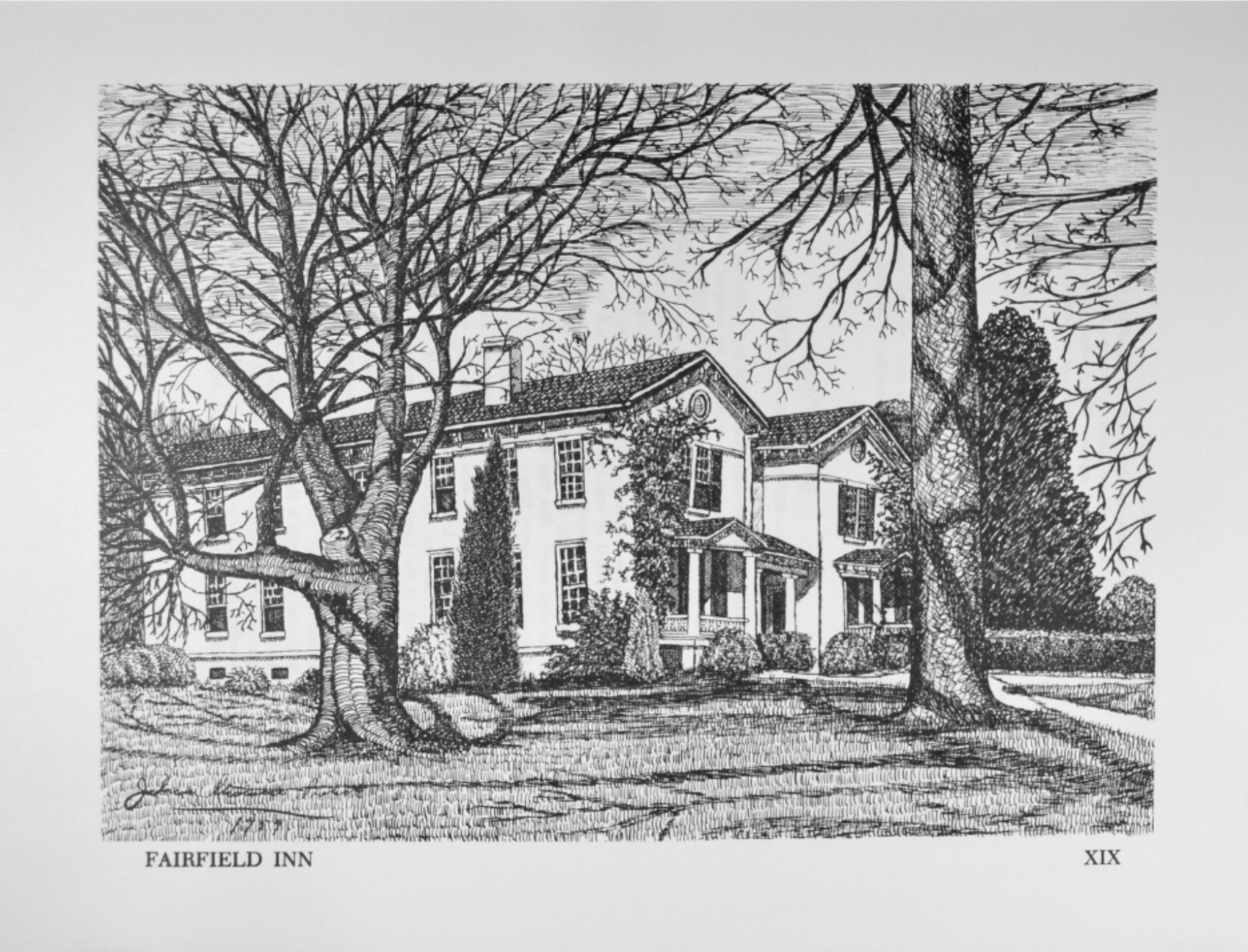
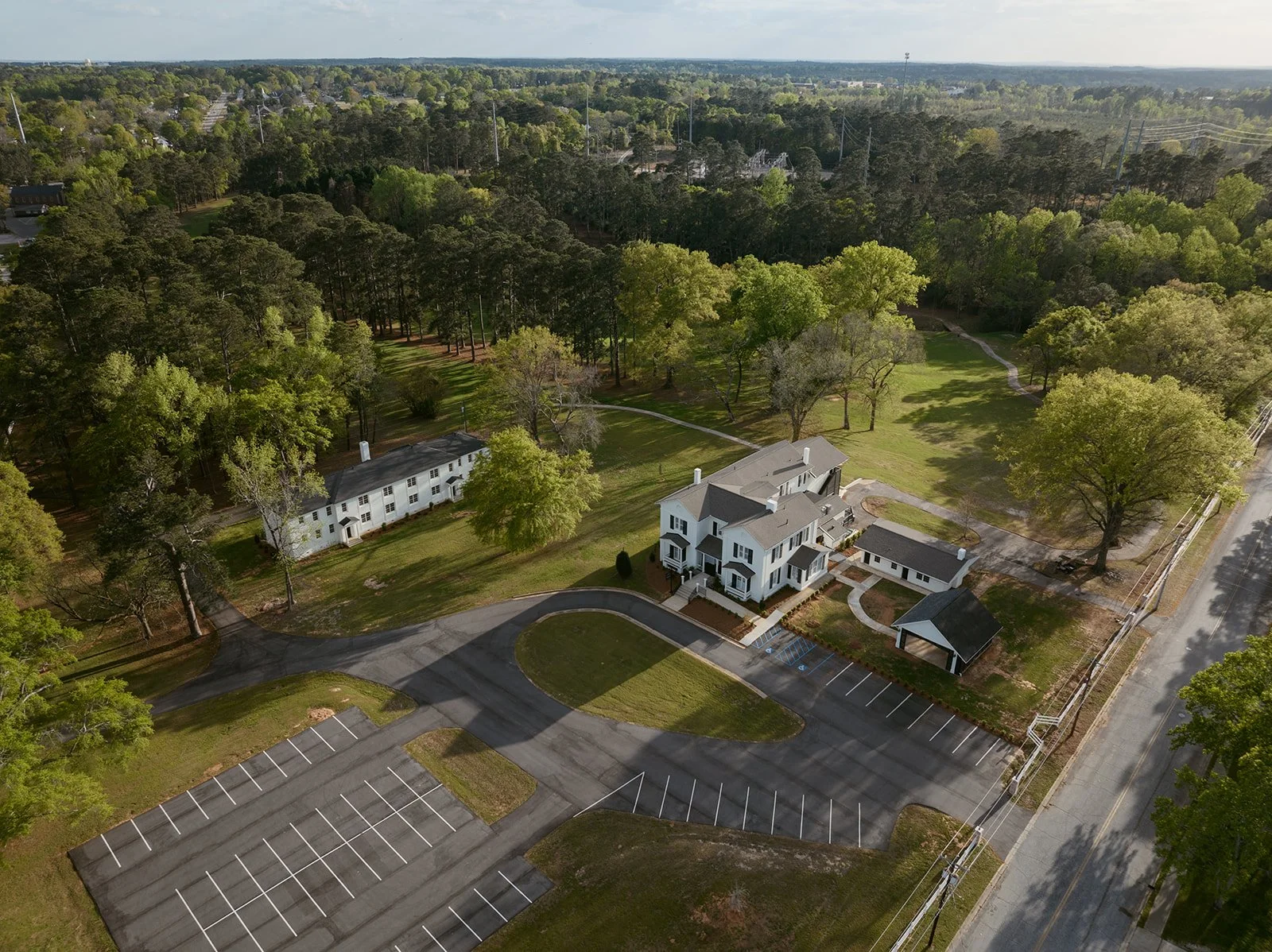
The historical property sitting on 300 acres has a rich legacy dating back to the mid-19th century. Originally constructed in 1861 by James N. Shedd as a private residence, the building was later known for nearly 4 decades as the Fairfield Inn. Henry Everett Jr., a prominent member of the Everett family and treasurer of Winnsboro, played a key role in furnishing and managing the Inn, helping to maintain its historic charm, while supporting the town's hospitality scene. Everett's influence on the community – through education, civic leadership and industry is the property's legacy of southern heritage and civic pride. In the early 1960s it became the clubhouse for the Fairfield country club designed by Robert Rehaud.
Our HistoryHonoring Henry C. Everett, Jr.
Henry C. Everett, Jr., treasurer of Winnsboro Mills in the early 20th century, played a pivotal role in shaping the Fairfield Inn into a landmark of elegance and hospitality. When the historic Shedd residence was converted into the Inn in 1924, Everett oversaw the interior design, selecting furnishings that honored the building’s rich history. His careful choices blended authentic antiques with finely crafted reproductions in mahogany, maple, and pine, creating an atmosphere that celebrated both comfort and heritage.
Everett’s vision ensured that the Fairfield Inn was more than a place to stay - it became a gathering place for the community and a showcase of refined taste. Today, as we restore this historic property into a boutique hotel, we celebrate Everett’s dedication to preserving the character and charm of the Inn, honoring his lasting influence on the style, warmth, and elegance that continue to define this remarkable space.
Our Historic Home: 601 South Congress Street
Step into history at 601 South Congress Street, a property with deep roots in Winnsboro. Built in 1861 as the home of James N. Shedd, the house later became the Fairfield Inn and eventually the Fairfield Country Club, serving as a centerpiece of the community for more than a century. James Shedd, associated with the local military during the Civil War, originally built the residence as a family home. In the 1920s, the property was transformed into the Fairfield Inn under the guidance of Henry C. Everett, Jr., treasurer of Winnsboro Mills, who carefully selected furnishings to reflect the elegance of the era. For years, the inn welcomed travelers and locals alike, offering a warm and refined retreat.
After World War II, the property evolved into the Fairfield Country Club, complete with a nine-hole golf course, tennis courts, and a swimming pool. The club preserved the historic charm of the Shedd home while becoming a hub for recreation and community gatherings. Today, this storied property is being thoughtfully restored to celebrate both its past and its future. Guests will enjoy a boutique hotel experience that honors the rich history of the home, the legacy of James Shedd, and the contributions of Henry C. Everett, Jr., all within the heart of historic Winnsboro.
A Rich History Woven Through Time
Nestled in the heart of Fairfield County, Winnsboro is a town steeped in history and Southern charm. Its story begins in the mid-18th century, when settlers like the Winn family established roots, building churches, schools, and farms that helped shape the community. The town was officially incorporated in 1785, and nearby, General Cornwallis established winter headquarters during the Revolutionary War in the 1780s, leaving a lasting mark on the area.
Over the centuries, Winnsboro became a hub of civic, cultural, and spiritual life. Colonel William McCreight, an early settler and mayor, founded Sion Presbyterian Church and installed the town’s iconic clock. Educator and cultural advocate Catherine Stratton Ladd championed learning, the arts, and civic engagement, inspiring generations. Religious leadership is remembered through William Porcher DuBose, a theologian whose teachings shaped the spiritual life of the community.The town also flourished through commerce and civic leadership. Figures like John McMaster, the Miller family, and the Ollevers contributed to local business, government, and infrastructure, helping Winnsboro grow while maintaining its charm. Their efforts, along with the enduring influence of early families, laid the foundation for a community that values heritage as much as progress.
Today, Winnsboro is celebrated for its historic district, with homes and public buildings spanning the 18th and 19th centuries. Visitors can stroll its streets to see the legacy of these remarkable figures reflected in architecture, institutions, and cultural landmarks - many of whom are honored in the rooms at Hotel Everett, making your stay a living connection to the town’s vibrant history.